
Designing products
6 yrs About Alex Wan
Six years making complex systems feel human.
I came up through industrial and interaction design, got hooked on systems thinking, and now shape how people work alongside AI.
The short version
A few numbers behind the work.
Global brands shipped with
4 In AI product design
4 yrs International design awards
20+ Int’l & national juries
6 The path here
Each step moved toward harder systems.
I keep gravitating to the same problem in bigger and messier forms: how do you help people make confident decisions when the system is complex?
Microsoft Product Designer
I design conversational AI for Microsoft Fabric’s Data Agent — turning plain-English questions into trustworthy answers across SQL, DAX, and KQL. I built a reasoning-transparency framework spanning seven tool types and own the funnel from setup to answer. Shipped to GA in 2026, now serving thousands of organizations.
 VMware Generative AI Design Lead
 I led VMware’s first Gen AI assistant from opportunity framing to launch — defining how it personalized complex answers, communicated AI-controlled navigation, and held a trustworthy enterprise personality, backed by a 44-component design system. Positive sentiment climbed from 0% to 75%; launched at VMware Explore with 200+ media mentions.
 GEICO UI/UX Designer
 As the sole designer, I replaced four fragmented paths through damage inspection and repair scheduling with one eligibility-aware flow. Grounded in usability testing and hours of session replay, it lifted scheduling completion 10.2% and click-through 21% — proof that a calmer path pays off.
 Penn Medicine UX / Product Designer
 In three weeks, with data scientists and a psychologist, I turned over a million COVID-era tweets into a public-health dashboard that made symptoms, sentiment, and geography legible. My first taste of making noisy data decision-ready — featured by Twitter Developer and The Philadelphia Inquirer.
Side quests
Off the clock, I’m still building.
The building doesn’t stop when work does. I use AI to make small things for myself — some useful, some just for fun — because that’s how I actually learn what these tools can do.
Vibe-coded
This very portfolio
Designed and built this whole site with AI in the loop — a living testbed for how far AI-assisted building can go.
Passion project
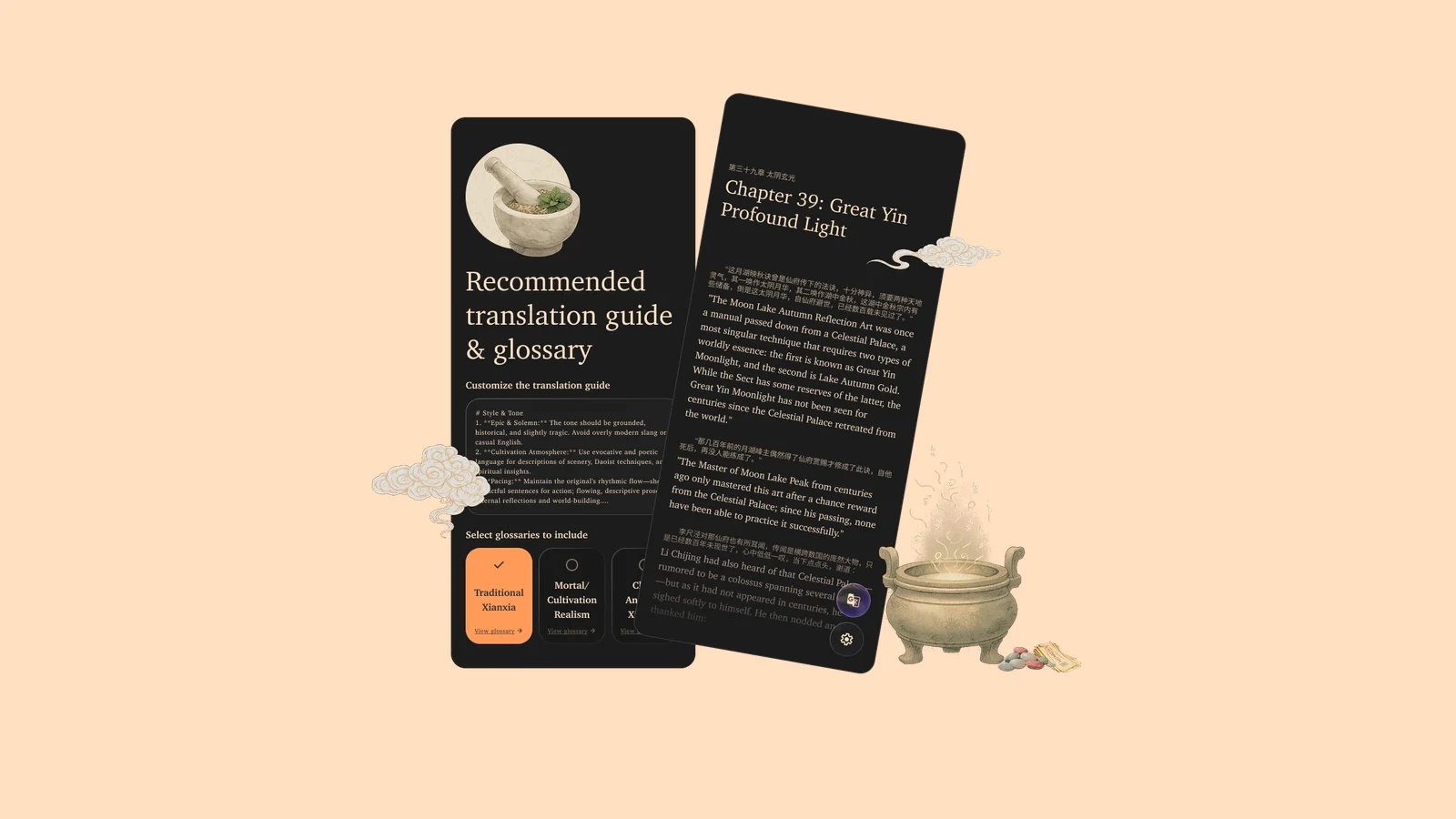
Inkling — a Gen AI reading plugin
A reading and translation companion I built to preserve the ambiguity and cultural nuance most tools flatten out.
Everyday
A grocery deal finder
An agent that compares prices and coupons across the stores I actually shop, then works out where each week’s cart is cheapest.
Ongoing
A personal finance agent
A finance agent that helps me manage savings, plan for retirement, and pressure-test my own investment decisions.
Awards
Some of it came home with shiny things.
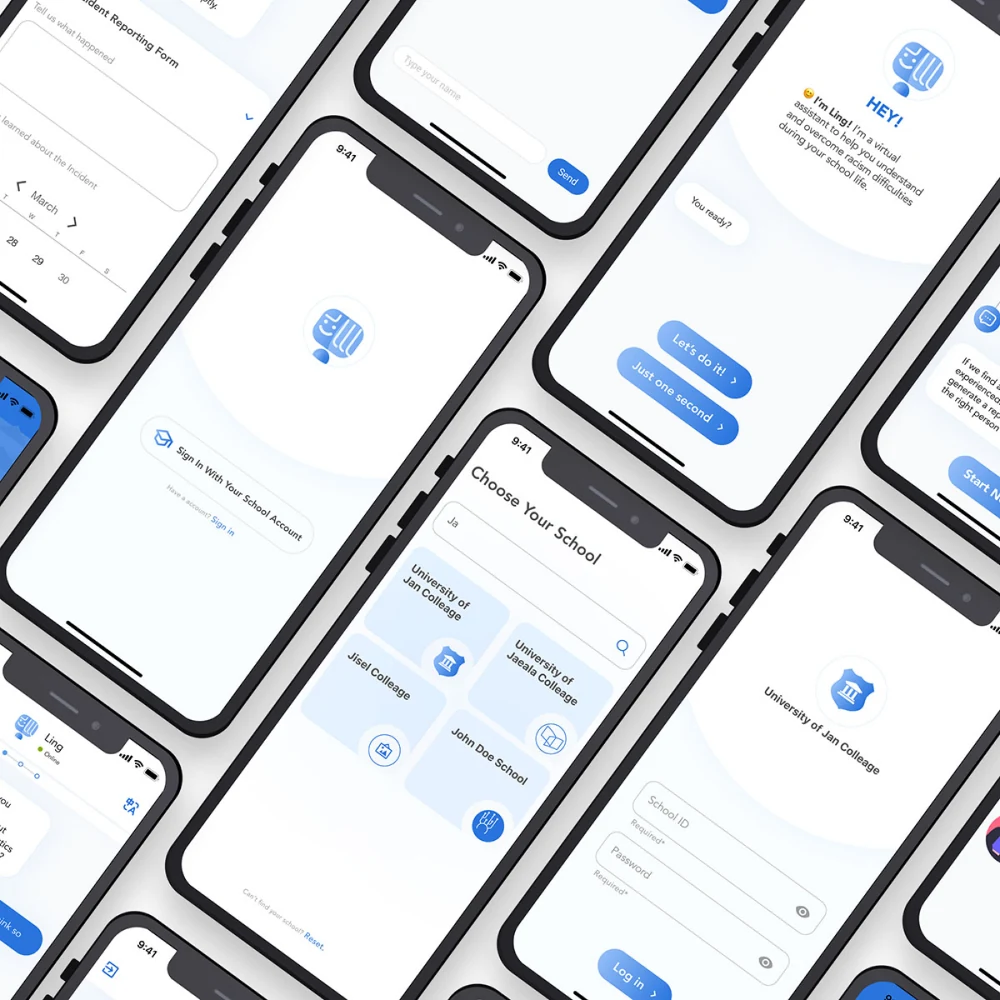
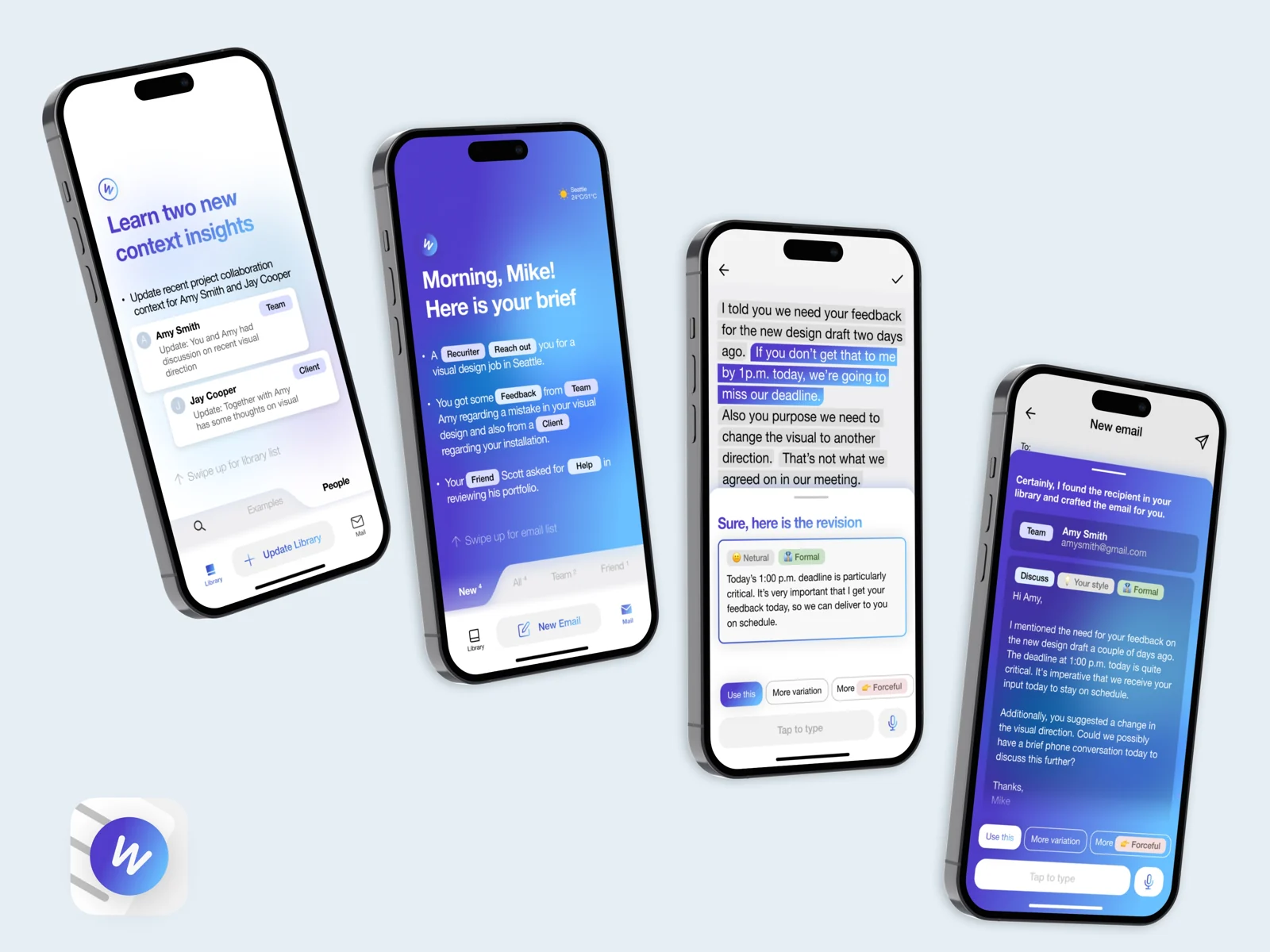
Three AI projects of mine earned a shelf’s worth of international design recognition — for making AI more human, inclusive, and trustworthy.
Judging
I judge design, mostly AI tracks.
I serve on design juries — often the AI and emerging-tech tracks — where I get to discover and champion aspiring designers doing bold, thoughtful work.


A personal loop
Games taught me to notice systems.
I’m a game nerd drawn to feedback loops, progressive disclosure, readable states, and the tiny interactions that help people understand what happens next. That curiosity follows me into every product I design.